


Spooky Good Deals on Window Tint
The scariest thing about window tint is not the dark glass. It is picking the wrong tint, paying too much, or finding out later that it does not fit the way you drive, live, or park.
Halloween is a weirdly good time to think about it. The days get shorter. The sun starts hitting at lower angles. Cars feel more exposed in crowded parking lots. Homes with big front windows can feel like stage sets once the lights come on at night. A good window tint can help with heat, glare, privacy, and style. A bad one can bubble, peel, block too much visibility, or create legal headaches.
So before jumping on those spooky good deals, here is a clear look at the pros and cons of window tint, with a little Halloween flair and plenty of practical advice.

Window tint can be a treat when it solves real problems
The best window tint does more than make glass look darker. It changes how light, heat, and visibility pass through a window. That can make your car, home, or storefront feel more comfortable and protected.
For vehicles, tint can cut harsh glare on sunny drives, reduce the oven-like feeling after parking outside, and add privacy for items inside. For homes, tint can soften bright rooms, help protect furniture from fading, and make large windows feel less exposed.
The main benefits show up in everyday moments:
Driving west at sunset without squinting the whole way
Sitting in a living room without closing every curtain
Keeping a parked car cooler during warm afternoons
Making a vehicle look cleaner and more finished
Reducing visibility into a car or room from outside during the day
Different types of tint do different jobs. A basic dyed film may darken glass and improve appearance, but it usually will not manage heat as well as higher-grade films. Carbon and ceramic films often cost more, but they tend to handle heat and glare better without needing to go extremely dark.
For homes, solar control films can keep rooms more comfortable. Decorative or frosted films can add privacy without making a room feel like a haunted cave. Security films can help hold broken glass together, though they do not make windows unbreakable.
That is the first lesson: window tint is not one product. It is a category. The right choice depends on where the film is going, what problem it needs to solve, and how much light still needs to come through.
The biggest pros are comfort, privacy, and protection
Window tint has a lot going for it when chosen well. It is one of those upgrades that can feel small at first, then become hard to live without.
It helps control heat and glare
Heat is one of the main reasons people choose tint. A hot steering wheel, a scorching seat, or a sunny room can turn comfort into a horror show fast.
Window film can reduce the amount of solar energy that passes through glass. Higher-quality films usually do this better than the cheapest options. Ceramic films are popular because they can reject heat while staying relatively clear.
Glare control matters too. Bright sunlight bouncing off pavement, snow, water, or nearby buildings can make driving uncomfortable. At home, glare can wash out TVs and computer screens. Tint softens that light, so the space feels easier on the eyes.
It adds privacy during the day
Tint makes it harder for people outside to see in, especially during daylight. That can help in a parked car, a front-facing room, or a street-level office or shop.
This does not mean tint creates total privacy. At night, if the inside is lit and the outside is dark, people may still see in. That is true for many tinted windows and reflective films. Curtains, blinds, or frosted films may be better when nighttime privacy matters most.
Think of tint as a daytime privacy cloak, not an invisibility spell.
It can protect interiors from fading
Sunlight can fade upholstery, flooring, dashboards, artwork, and furniture over time. Many quality window films block a large share of UV rays, which helps slow fading. That does not stop all fading, because heat and visible light also play a role, but it can help preserve materials longer.
In a car, this can mean less wear on seats, trim, and dashboard surfaces. At home, it can help protect rugs, wood floors, and furniture near bright windows.
It improves appearance
This is the part everyone notices first. Tint can give a vehicle a sleeker look. It can also make a home or business look more polished from the outside.
The key is restraint. A clean, legal, professional-looking tint usually ages better than an ultra-dark “mystery van at midnight” finish. The goal should be style with function, not a vampire lair on wheels.
It may add safety benefits in some cases
Window film can help hold glass fragments together if a window breaks. That can reduce loose shards. Security films are made specifically for this purpose and are thicker than standard solar films.
This benefit should be kept in perspective. Tint is not a substitute for locks, alarms, safe driving, or proper home security. Still, it can add one more layer of protection.
The cons can sneak up like a jump scare
Window tint has real downsides. Some are minor. Some can be expensive. The best time to think about them is before the film goes on the glass.
Vehicle tint laws vary by state
This is the big one for cars and trucks. Every state has rules about how dark vehicle tint can be, especially on front side windows and windshields. These laws often involve visible light transmission, commonly called `VLT`.
A lower `VLT` number means less light passes through the glass. In plain English, the tint looks darker. A tint that is legal in one state may not be legal in another.
Before buying, check local rules or ask a qualified installer. If you travel across state lines often, stay conservative. A tint that looks cool in the driveway is less fun when it brings tickets, inspection problems, or forced removal.
Dark tint can reduce night visibility
This is where Halloween vibes can go too far. Dark windows may look dramatic, but they can make it harder to see pedestrians, cyclists, curbs, animals, and road hazards at night.
The darker the film, the more careful the choice needs to be. This matters even more for older drivers, people who drive often after dark, and anyone in rural areas with limited street lighting.
A good tint should make driving more comfortable, not turn every left turn into a suspense scene.
Cheap film can bubble, purple, or peel
Low-quality film may look fine on day one, then start to fade, bubble, turn purple, or peel around the edges. Poor installation can cause dust, creases, gaps, and uneven cuts.
That bargain tint can become more expensive if it has to be removed and replaced. Removal can take time, especially on rear windows with defroster lines.
The installer matters as much as the film. Clean prep, proper cutting, and careful curing make a major difference.
Some windows need special care
Not all glass reacts the same way to film. Certain residential windows, especially insulated glass units, may have manufacturer limits. The wrong film can create heat stress in some types of glass.
That does not mean home tint is risky across the board. It means the film needs to match the window. A reputable installer should ask what type of glass you have and recommend film that fits.
Tint can affect warranties or inspections
For cars, aftermarket tint can affect inspection results depending on state rules. For homes, adding film to some windows may affect the window manufacturer’s warranty if the film is not approved.
Before installation, ask direct questions:
Will this film meet my state’s legal requirement?
Does this film work with my kind of glass?
What warranty comes with the film and installation?
What happens if it bubbles or peels?
How long should I wait before rolling down car windows or cleaning the glass?
No one wants a spooky surprise after paying for the work.
Pros and cons are easier to compare side by side
Here is the quick haunted-house tour of the main trade-offs.
Pros
Reduces glare and harsh sunlight
Helps manage heat in cars and rooms
Adds daytime privacy
Can slow UV-related fading
Gives vehicles and windows a cleaner look
May help hold broken glass together, depending on film type
Cons
Vehicle tint laws vary by state
Too-dark film can hurt night visibility
Cheap film may bubble, fade, or peel
Some glass needs special film selection
Bad installation can look messy
Removal and replacement can cost extra
The best choice usually lands in the middle. Not the cheapest film. Not the darkest film. Not the flashiest promise. A good tint balances performance, visibility, legality, and warranty.
For vehicles, a moderate shade with strong heat rejection often works better than a very dark budget film. For homes, the right film might be clear or lightly tinted if the goal is heat and UV control without changing the look of the glass too much.
How to spot a spooky good deal without getting tricked
Halloween promotions can be a great chance to save on window tint. The trick is knowing whether the discount is attached to quality work or just a frighteningly cheap film.
A real deal should be easy to understand. It should tell you what kind of film is included, what windows are covered, whether removal costs extra, and what warranty applies. If the offer sounds vague, ask for details.
Look beyond the lowest price
A low price can be tempting, but tint is labor-heavy. Someone has to clean the glass, cut the film, apply it smoothly, remove moisture, and finish the edges. If the price seems far below everyone else, something may be missing.
The missing piece could be film quality, prep time, warranty coverage, or installer experience.
Better questions include:
What brand or type of film is included?
Is it dyed, carbon, ceramic, decorative, solar, or security film?
Does the price include all windows listed?
Is old tint removal included?
How long is the workmanship warranty?
Are there extra charges for small quarter windows, back glass, or large panes?
A spooky good deal should save money without cutting the parts that matter.
Match the tint to the way the window is used
The “best” tint for one person may be wrong for another. A commuter in a hot climate may care most about heat rejection. A homeowner with a bright living room may want glare reduction. A street-facing bathroom may need frosted privacy film. A show car owner may care more about appearance, while still staying legal.
For cars, avoid choosing based only on shade. Ask about heat performance. Some lighter films can reject more heat than darker budget films.
For homes, think about the room:
Bedrooms may need privacy and softer morning light
Living rooms may need glare control without feeling dark
South- and west-facing rooms often deal with stronger afternoon sun
Bathrooms may benefit from frosted or decorative film
Glass doors may need safety-conscious film choices
That kind of matching turns tint from a cosmetic upgrade into a useful one.
Check the finished look before driving away
After installation, some haze or small moisture pockets can be normal while the film cures. The cure time can vary based on weather, film type, and glass. The installer should explain what is normal and what is not.
Still, take a careful look before leaving:
Are the edges clean?
Are there large bubbles or creases?
Is the film cut evenly?
Is there dust trapped under the film?
Do the windows operate properly?
Did you receive care instructions?
For car tint, follow the installer’s advice about when to roll down windows. Rolling them down too soon can damage fresh film. For home tint, use the recommended cleaning method. Harsh tools or ammonia-based cleaners can hurt some films.
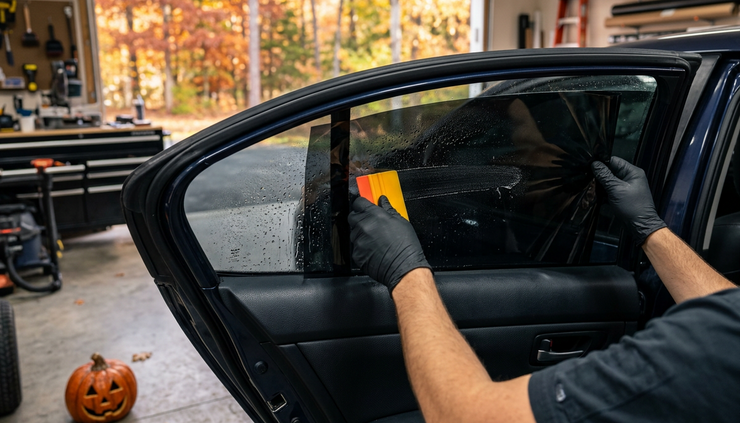
The best choice is clear, even when the windows are dark
Window tint can be a smart upgrade when it fits the job. It can make driving more comfortable, reduce glare, add privacy, protect interiors, and give glass a finished look. Around Halloween, seasonal specials can make the timing even sweeter.
The cons deserve just as much attention. Too-dark tint can reduce visibility. Vehicle laws can limit your options. Cheap film can fail early. Home windows may need a specific type of film. A rushed installation can turn a treat into a trick.
The safest way to shop is simple: decide what problem you want to solve, ask what film type fits that goal, confirm the legal or glass requirements, and get the warranty in writing.
That is how you find the real spooky good deals, the kind that look sharp in October and still hold up long after the pumpkins are gone.


Comments